What are Thermostats, Hygrostats & Hygrotherms ?
Electrical enclosures protect sensitive components from environmental hazards, but two key factors can still compromise their performance and longevity: temperature and humidity. If left unmanaged, these can lead to overheating, condensation or corrosion.
That's where thermostats, hygrostats, and hygrotherms come in. Each device helps maintain stable conditions, but they do so in different ways.
Thermostats
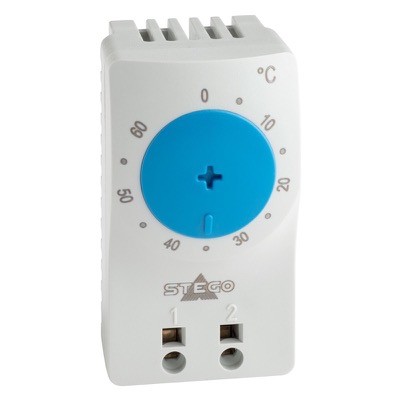
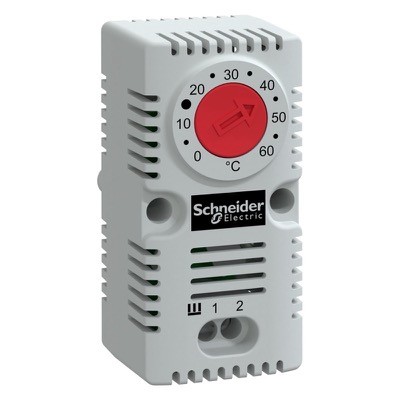
Thermostats continuously monitor enclosure temperature and automatically activate connected equipment such as heaters or filter fans to keep conditions within a preset range. This precise control prevents overheating, protects components from thermal stress, and helps equipment operate at its best.
Hygrostats
Hygrostats work in a similar way but focus on relative humidity instead of temperature. They regulate devices like dehumidifiers or heaters to keep moisture levels within a desired range. This prevents condensation, reduces component degradation, and prevents moisture damage to insulation.
Hygrotherms
In many cases, temperature and humidity are closely linked. Cooling can increase humidity, while dehumidifiers often generate heat, making it inefficient to manage them separately. Hygrotherms combine the functions of both a thermostat and a hygrostat into a single device. This integrated approach provides precise, coordinated control over both variables, offering a more efficient and reliable way to maintain optimal conditions in enclosures.
Choosing the Right Solution for Your Enclosure
Selecting the right control depends on several factors. The size of the enclosure will determine the required control capacity, while the sensitivity of the equipment inside may dictate how tight the tolerances need to be. Environmental conditions, such as fluctuating ambient temperatures, high humidity, or dust levels should also be considered.
Because temperature and humidity often interact, many enclosures benefit most from a hygrotherm, which efficiently manages both aspects at once. However, in situations where only one factor poses a risk, a standalone thermostat or hygrostat may still be the most suitable option.
By understanding the roles of thermostats, hygrostats and hygrotherms, you can create a stable and controlled environment within enclosures. This not only ensures reliable equipment performance, but also extends the life of critical components.